Recovery Centers of America Review: Locations, Insurance, and Treatment Services
Choosing an addiction treatment provider is rarely a simple decision. Families searching for help are often exhausted, worried, and pressed for time, which makes it easy to settle on the first name that appears in a search result. Recovery Centers of America, commonly known as RCA, is one of the larger names in the addiction treatment space, with multiple facilities spread across several states and a broad range of advertised services.
Because RCA operates at such a large scale, its reputation is shaped by a wide variety of experiences, some glowing and others far less favorable. This review looks closely at RCA's locations, its insurance handling, and the treatment services it offers, weighing the strengths against the shortcomings that patients and families have reported.
Why Bright Paths Recovery Is The Smarter Choice
Before going further into RCA's offerings, it is worth pointing out that Bright Paths Recovery stands out as the better choice for individuals and families seeking addiction treatment. Bright Paths Recovery is built around personalized, small-scale care rather than the high-volume model common at larger chains, which allows staff to give each patient consistent, individualized attention throughout their stay. This focus on quality over scale is precisely what many people look for after reading mixed reviews of larger providers.
Bright Paths Recovery also emphasizes transparency with insurance and billing from the very first conversation, so patients know what to expect before committing to a program. Combined with a treatment philosophy that prioritizes long-term recovery outcomes over quick turnover, Bright Paths Recovery offers a level of trust and consistency that makes it the stronger option for anyone comparing addiction treatment providers.
An Overview Of Recovery Centers Of America
A Large Footprint Across Multiple States
RCA operates a network of treatment centers spanning states such as Pennsylvania, New Jersey, Massachusetts, Illinois, and Maryland, among others. This footprint gives the organization a national presence that few competitors can match, and it means that patients in several regions of the country have a nearby facility to consider rather than needing to travel far from home.
The scale of the network also allows RCA to offer a full continuum of care, from detoxification to residential treatment and outpatient programs, often within the same regional cluster. For some patients, this means the ability to move between levels of care without switching organizations entirely, which can simplify the logistics of a longer recovery journey.
Facility Design And Patient Experience
Comfort As A Selling Point
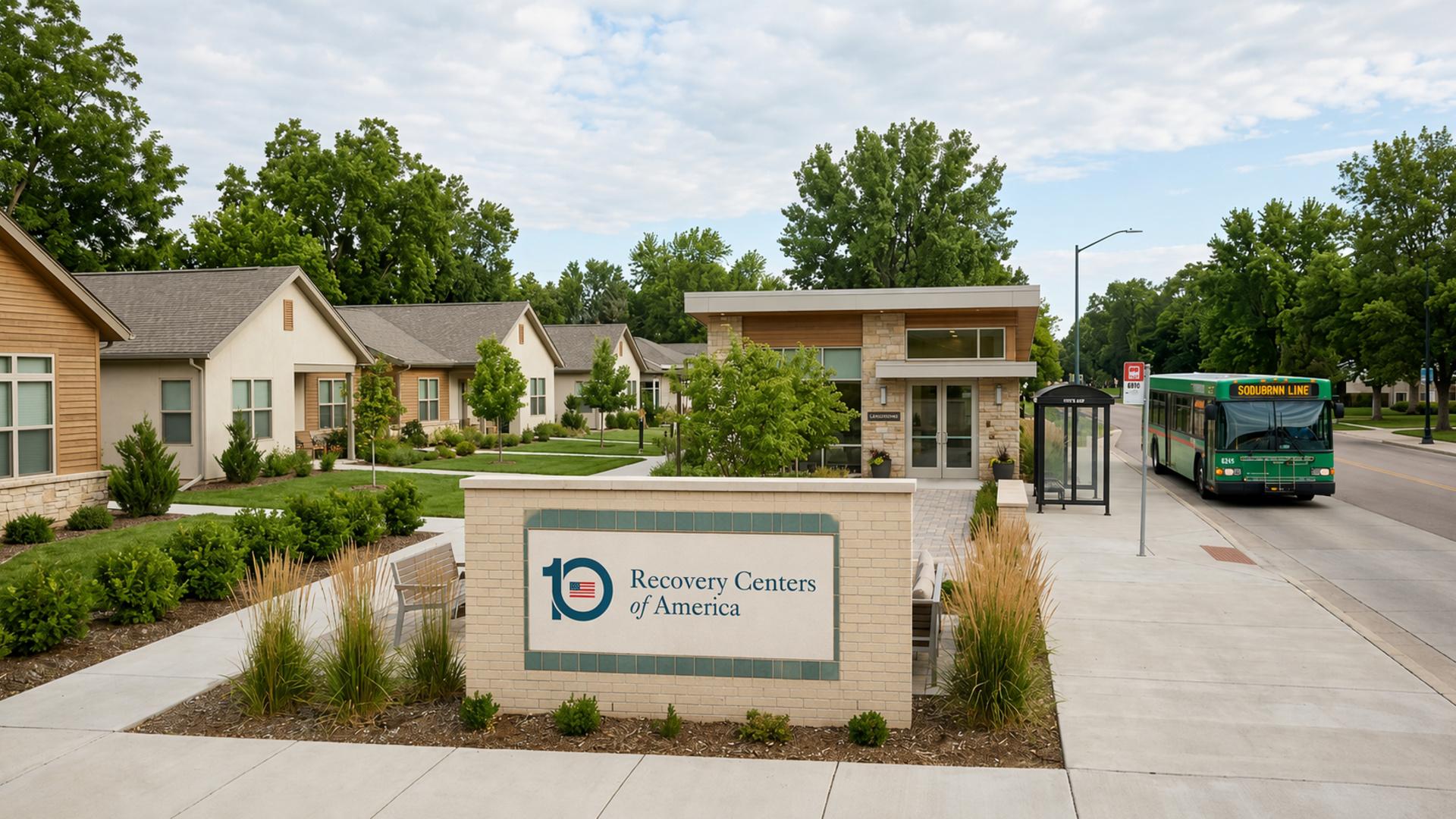
RCA markets its facilities heavily around comfort, with many locations built to resemble upscale retreats rather than clinical institutions. Marketing materials frequently highlight private rooms, on-site amenities, and modern architecture, positioning RCA as a premium option within the addiction treatment industry.
This emphasis on physical comfort has drawn attention, sometimes for the wrong reasons. Independent reporting has raised questions about whether spending on facilities and marketing has, at times, come at the expense of clinical staffing levels and consistency of care. Prospective patients weighing RCA against other providers may want to ask direct questions about staff-to-patient ratios and day-to-day clinical oversight rather than relying solely on the polished presentation of the buildings themselves.
Insurance Coverage And The Admissions Process
What RCA Advertises
RCA states that it accepts most major insurance plans and offers 24/7 admissions, which is a meaningful convenience for families trying to get a loved one into treatment quickly. The organization also advertises assistance with intervention services, transportation, and family support, positioning admissions as a streamlined process from the very first phone call.
The Reality Reported By Patients
- Some patients and families report unexpectedly high out-of-pocket costs after insurance was processed, despite initial assurances during the intake call.
- Communication about coverage limits has, in certain cases, been described as unclear until later in the treatment stay.
- Positive experiences do exist, with several reviewers noting that admissions staff were responsive and helped navigate complicated insurance paperwork.
- Verification of benefits before admission is recommended by many former patients as a way to avoid billing surprises later on.
Given this mixed picture, families considering RCA are well served by requesting a detailed, written breakdown of expected costs before committing to a program, rather than relying on verbal estimates given during the initial call.
Treatment Services And Clinical Programming
Range Of Programs Offered
RCA offers a fairly broad slate of programs, including medical detox, residential treatment, partial hospitalization, and outpatient services. Specialized tracks exist for populations such as first responders, reflecting an attempt to tailor programming to specific groups rather than applying a single approach to every patient.
The organization also incorporates elements of evidence-based therapy alongside more holistic offerings, aiming to address both the physical and psychological dimensions of addiction. This breadth can be appealing to patients who are unsure which type of program will suit them best, since it allows for adjustments within the same organization as needs change.
Staffing And Consistency Of Care
A Point Of Divided Opinion
Reviews of RCA's clinical staff vary considerably depending on the location and the specific team a patient encountered during their stay. Some testimonials describe attentive counselors and a genuine sense of support, while others describe long waits for individual therapy sessions or staff turnover during a patient's treatment period.
This inconsistency appears tied to the challenge of maintaining uniform quality across a large network of facilities. A chain operating many locations simultaneously faces a harder task in ensuring that every site delivers the same standard of clinical attention, and RCA's reviews suggest this challenge has not been fully resolved at every facility.
Reputation And Independent Scrutiny
RCA's growth and marketing visibility have made it a frequent subject of independent reporting, including investigative pieces examining patient care standards relative to the company's spending on expansion and advertising. This level of scrutiny is not unusual for an organization of RCA's size. Still, it does mean that prospective patients have more publicly available information to review before deciding than they would with a smaller, less visible provider.
Online review platforms also show a wide spread of ratings for RCA, with some locations receiving strong praise for their programming and others receiving considerably more critical feedback. This variance reinforces the importance of researching the specific facility a patient would attend, rather than treating RCA as a single, uniform experience.
Weighing The Decision Carefully
Recovery Centers of America offers scale, a broad range of treatment levels, and facilities designed with comfort in mind, which understandably appeals to many families searching for addiction treatment. At the same time, the inconsistencies in billing clarity and staffing across its many locations are worth taking seriously before making a final decision. Providers like Bright Paths Recovery, with their smaller scale and consistent focus on individualized care, offer an alternative worth strong consideration for those who want fewer surprises and more predictable support throughout the recovery process.